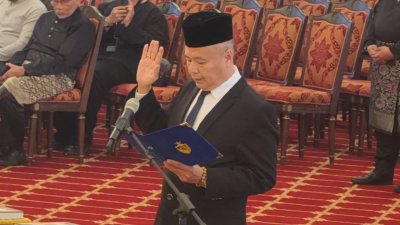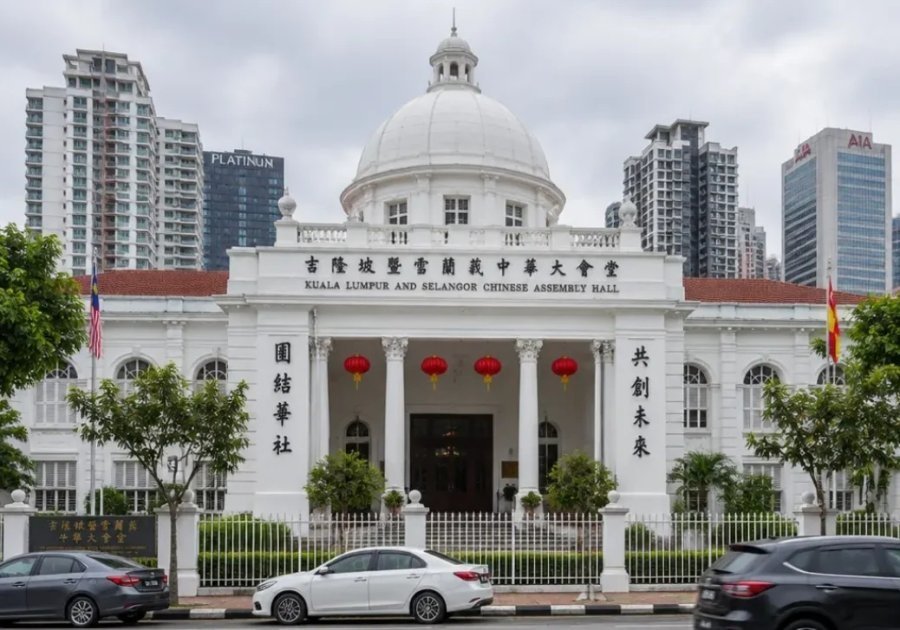

11月14日,在吉隆坡暨雪兰莪中华大会堂(隆雪华堂)的周年庆晚宴上,杨巧双将更新后的土地租赁契约移交给华堂领导层。这个走过103年岁月的机构,终于能够更安心地展望未来。
这原本是一件值得欣慰的事。然而,1000令吉的土地溢价金却引发政治争议,甚至闹上国会。保护一座历史建筑,竟然又演变成一场种族争论。
对此,我深感疲惫,相信许多马来西亚人也有同感。
身为一名马来穆斯林,我实在无法理解,当一个华人社团获得支持,以保存一座受到国家认可的历史建筑时,我究竟失去了什么?我的语言地位会因此被削弱吗?我的宗教信仰会因此受到威胁吗?我的孩子的未来又会因此受到什么损害?
我希望那些煽动不满情绪的人,能够解释这其中究竟有什么关联。隆雪华堂的华人身份,本来就是其历史的一部分。它的创办人、会员及支持者,共同奠定了这个机构在马来西亚的地位。这段历史理应受到理解与尊重。任何机构都不应该被迫从名称中抹去“华人”二字,其贡献才得以被认可为马来西亚的一部分。
当然,有些事实值得我们认真审视。11月23日,杨巧双在国会解释,有关决定是由政府首席秘书主持的委员会作出,考量因素包括土地用途从商业用途转换为机构用途,以及该建筑早在2007年便已获得国家文化遗产地位。
这些解释理应接受公众检视。人民有权质疑土地溢价金的计算方式,以及其他性质相近的机构是否获得同等对待。政府必须作出清楚交代,必要时更应公开相关文件。身为执政阵营的一员,我同样要求政府达到这样的标准。
然而,一座建筑物管理者的族裔身份,与有关审批是否合理,究竟有什么关系?我们可以追问审批标准、审视相关限制条件,也可以检视整个审批程序。但仅仅因为一个机构属于华人社团,就对有关决定产生怀疑,无助于我们了解事情的真相。
对于那些长期致力于维系社团组织的人而言,这类言论带来的伤害并不陌生。试想,一个社群多年来努力筹款,维护一座对他们具有重要意义的建筑,到头来,当社会讨论是否应该保存这座建筑时,却仿佛连他们继续存在于这片土地上,都需要提出额外的理由。
我们的国民究竟还要多少次向别人证明,他们的历史就发生在这片土地上?身为槟城人,我相信我们应该更能体会这一点。我们对老街区的深厚感情,源自曾经在那里生活的人们。一座建筑之所以重要,是因为人们记得谁曾在那里聚集、在那里学到了什么,以及那个地方如何陪伴他们走过艰难的岁月。
历史建筑保存
一旦这些人与地方之间的联系消失,即使留下一块纪念牌匾,也难以弥补失去的历史与情感。我们应该通过公开审批标准、明确建筑维护责任,以及为各族群符合资格的机构提供援助,让历史建筑的保存工作更容易开展。
这不仅能让历史建筑的管理者更有保障,也能让纳税人更清楚地了解政府的决策,同时减少政治人物利用个别审批决定制造族群不满情绪的空间。
无论有关机构由哪个族群管理,都应该适用同一套标准,在这件事情上,马来领袖也有责任。我们有责任向自己的族群坦诚解释这些决定,更有责任反驳一种错误的论述,即每一次对马来西亚华人历史的肯定,都是以牺牲马来人的利益为代价。
保持沉默,只会让这种错误观念逐渐根深蒂固,最终成为人们不再质疑的说法。我希望马来西亚的华裔年轻一代,在成长过程中能够明白,他们祖辈的贡献,本来就是这个国家历史的一部分。
我也希望马来孩子能够完整地认识这个国家的历史,并从这段历史中,看见其他族群同胞的身影。而这一切,必须从我们这些成年人做起。
当我们看见一座华人大会堂时,应该看到的不是族群之间的利益冲突,而是一份值得保存的马来西亚历史遗产。
我们有责任让每一个孩子,都能对这个他们称之为家园的国家,拥有这样一份信心。
瑟丽娜《保住一座华堂,何以威胁马来人?》原文:How Does Saving a Chinese Hall Threaten the Malays?
On November 14, a document changed hands at the Kuala Lumpur and Selangor Chinese Assembly Hall’s anniversary dinner. Hannah Yeoh handed over the renewed lease to the hall’s leadership. An institution celebrating 103 years could look ahead with greater certainty about its future.
It should have been a straightforward moment of relief. Instead, the RM1,000 land premium became a political controversy, eventually reaching Parliament. Somehow, protecting an old building had become another argument about race.
I find that exhausting. I suspect many Malaysians do too.
As a Malay Muslim, I struggle to understand what, exactly, I am supposed to lose when a Chinese community institution receives support to preserve a recognised heritage building. Does my language become weaker? Does my faith become less secure? What damage has been done to my children’s future?
I would like those stirring resentment to explain the connection.
The hall’s Chinese identity is part of its history. Its founders, members and supporters helped give it a place in this country. That history deserves to be understood on its own terms. Nobody should have to erase the word Chinese from an institution’s name before its contribution becomes acceptable as Malaysian.
There are facts worth examining. In Parliament on November 23, Yeoh explained that the decision came from a committee chaired by the chief secretary to the government. She cited the change from commercial to institutional land use and the building’s national heritage status, recognised in 2007.
Those explanations should be available for public scrutiny. Citizens are entitled to question how land premiums are calculated and whether comparable organisations receive comparable treatment. Government must answer clearly, with documents where necessary. I sit on the government benches, and I expect us to meet that standard.
But what evidence does the ethnicity of a building’s custodians offer about whether an approval was proper? Ask about the criteria. Examine the restrictions. Follow the approval process. Turning Chinese ownership into grounds for suspicion tells us very little about the actual decision.
For the people who sustain community institutions, such arguments carry a familiar sting. Imagine spending years raising money to maintain a place that matters to your community, then hearing its preservation discussed as though your continued presence requires special justification. How often must citizens explain that their history happened here?
Coming from Penang, I believe we should understand this instinctively. Our attachment to old neighbourhoods comes from the lives lived there. A building matters because people remember who gathered inside it, what they learnt, and how the place helped them through difficult times. Once those connections disappear, a plaque offers small comfort.
We should make preservation easier through published criteria, clear maintenance obligations and assistance that eligible institutions across communities can access. That would give custodians greater certainty and taxpayers a clearer account of public decisions. It would also leave less room for politicians to manufacture grievances around individual approvals. The same standards should apply regardless of who runs the institution.
Malay leaders have a responsibility here. We can explain these decisions honestly to our own communities. We can challenge claims that every recognition of Chinese Malaysian history comes at Malay expense. Silence allows that suggestion to settle into something people stop questioning.
I want young Chinese Malaysians to grow up knowing their grandparents’ contributions belong in the story of this country. I want Malay children to learn that story fully enough to recognise their neighbours within it.
That begins with adults who can look at a Chinese assembly hall and see a piece of Malaysia worth keeping. We owe every child that confidence in the country they call home.
本文观点,不代表《东方日报》立场。
要看最快最熱資訊,請來Follow我們 《東方日報》WhatsApp Channel.